Emotions
Emotions and their uses
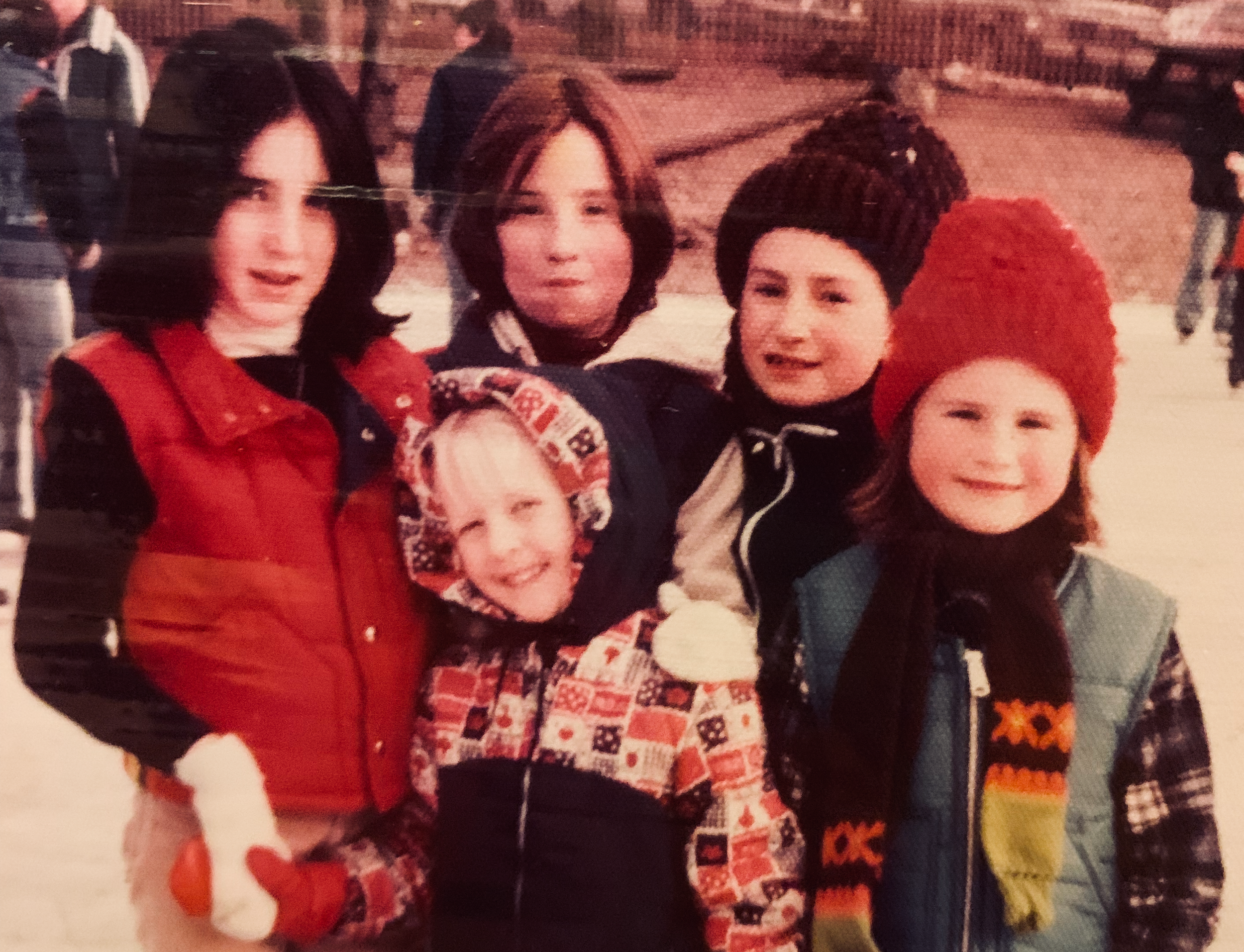
Think back to being a kid. Feelings were intense, whether joyful or painful. Without realizing it, you began making sense of those feelings and building stories about why they were happening. You also developed strategies to cope. Sometimes you took responsibility in ways that were not fair to you, and other times you learned to blame circumstances or other people. If your sadness or anger made a caregiver uncomfortable, you may have learned to hide what you felt. In those moments, the focus shifted away from understanding your emotions and toward managing other people’s reactions. The wisdom in your body got pushed aside.
As adults, emotional regulation often takes conscious effort. A key part of that effort is learning to take ownership of your own feelings, while allowing others to be responsible for theirs. This is simple in theory and complex in practice. The stronger the emotion, the more tightly it can attach to a story about what is happening. Intense reactions are often linked to older experiences that shaped your nervous system. Recognizing this gives you a place to begin taking responsibility for how you respond now, rather than staying caught in patterns from the past.
One tool I value for exploring emotional patterns is the emotional timeline from Cultivating Emotional Balance. This approach combines contemplative practices with psychological insight to build emotional awareness and resilience. The timeline helps you slow down and look at what happened before, during, and after an emotional episode. You notice your physical sensations, name the emotion, and identify the beliefs or assumptions connected to it. This process strengthens your ability to recognize triggers and understand the historical roots that may be shaping your present reactions.
Triggers are often old memories held in the body, especially from times when your well being felt threatened. When something in the present resembles those earlier experiences, your system can move quickly into fight, flight, or freeze. By paying attention to early body signals and emotional shifts, you take responsibility for noticing what is happening inside you. That awareness gives you more choice about how you respond. Over time, this kind of practice builds a more respectful relationship with your emotions and a greater capacity to meet life with steadiness and care.
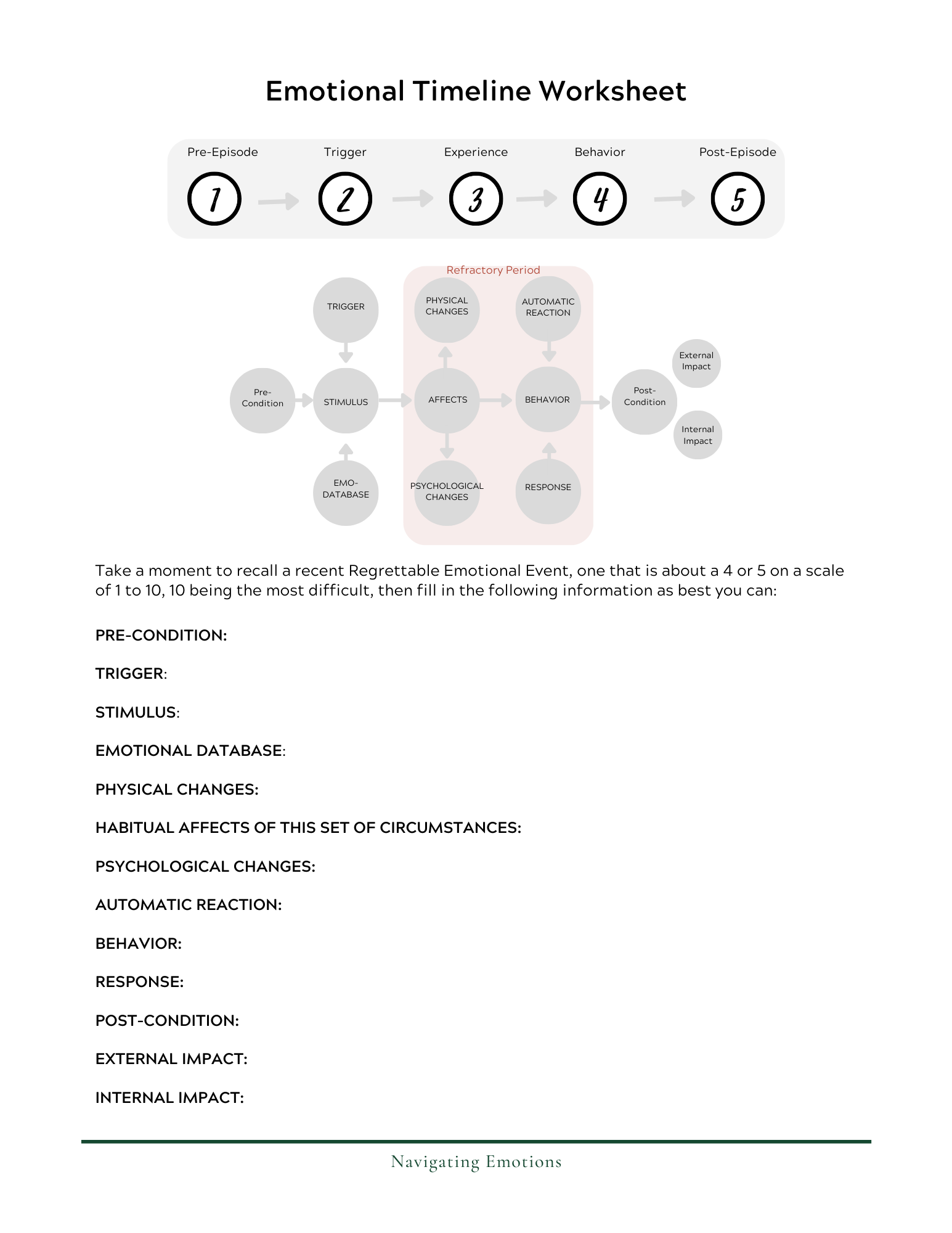
Learning to map your emotional timeline is powerful work, and it can feel vulnerable to do alone. If you want guidance as you explore your triggers, body signals, and underlying beliefs, this is something I work on with clients in one on one sessions.